Tuesday, 4 August 2020

Nokia C3 announced with a 5.99-inch screen announced in China.

HMD Global officially announced the new entry-level smartphone called Nokia C3. It has a price tag of only USD 100.
Nokia C3 announced in China

Meet the Nokia C3

It has a 5.99-inch HD+ screen which makes it one of the smaller devices of 2020. Inside, it houses a 1.6GHz octa-core processor (UNISOC SC9863 SoC), 3GB of RAM, and a 32GB expandable storage with a dedicated microSD card slot with up to 128GB support. It also has a 3,040mAh battery that charges via micro USB at 5W.

For cameras, it has an 8MP camera at the back and a 5MP selfie shooter.

Other features include WiFi, FM Radio, 3.55mm headphone jack, a dedicated Xpress Key that can be programmed for launching Google Assistant or other apps, and it loads with Android 10 out of the box.

It has two color options in Blue and Gold.

China price with direct to PHP conversion (no taxes and duties yet):

Nokia C3 - CNY 699 (around PHP 4.9K)

It is set to be available in China starting August 13 at CNY 699 which is around PHP 4,900 out of straight conversion. Local availability is yet to be confirmed but we will update you as soon as we get more information.

What do you guys think?


from GIZGUIDE | Your Gadget Coach https://ift.tt/31vmajF

Facebook has been barely impacted by big advertisers’ boycott — here’s why


Facebook has faced a lot of criticism over the years for failing to moderate hate speech. Its policies have come under increasing scrutiny in recent weeks thanks to the Stop Hate for Profit campaign. Started by civil rights groups in the US, the campaign has led to some of Facebook’s biggest customers pulling their ads from the social media platform for the month of July. As much as 99% of Facebook’s US$70.7 billion (£55 billion) in revenues come through advertising and the boycott initially resulted in an 8% knock to Facebook’s market value (amounting to US$72 billion). Yet, even with…

This story continues at The Next Web

Or just read more coverage about: Facebook


from The Next Web https://ift.tt/2PmmtHJ

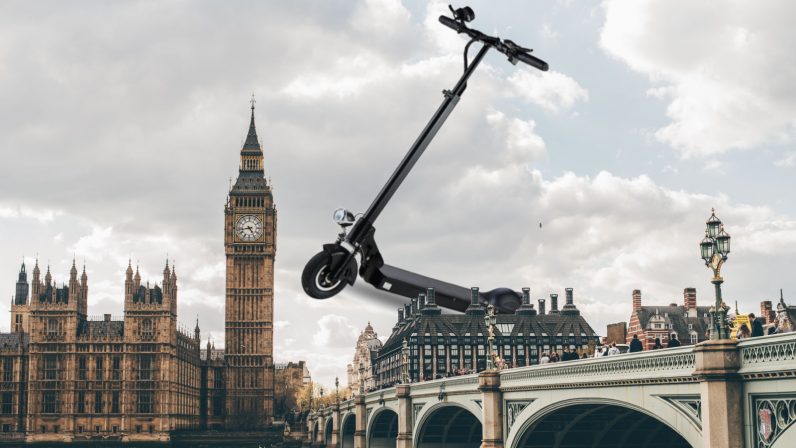
UK escooter trial on-hold after ‘underage’ teens ride 12MPH on 70MPH highway


Despite only launching escooter trial schemes about a month ago, one operator in the UK is scaling back following safety and misuse concerns. Middlesbrough in North East England got the country’s first escooter trial last month after Ben Houchen, the Conservative mayor of the area, campaigned to host the pilot, The Independent reports. However, things haven’t gone as well as he’d hoped and it’s leaving a question mark over the future of similar schemes in other parts of England. [Read: How Subaru created the blueprint for selling cars to LGBTQIA+ consumers] Since getting 50 escooters, supplied by mobility startup Ginger,…

This story continues at The Next Web


from The Next Web https://ift.tt/2PkAUMf

How interplanetary migration could impact human evolution


The future of human evolution in space will be driven by challenges both similar — and different — to those that have guided our development for countless generations. Since our species, Homo sapiens, first evolved in Africa roughly 315,000 years ago, we haven’t changed much when it comes to physical characteristics. Globally, our species seen a decrease in the overall body size and brain size, together with reductions in the proportions of our jaws and teeth. Regional populations also show differing physical characteristics, due to climate and lifestyle. “We are now generally shorter, lighter and smaller boned than our ancestors…

This story continues at The Next Web


from The Next Web https://ift.tt/3k8VaPk

Southeast Asia and Latin America’s startup ecosystems are more similar than you think


Over the past year, Chinese and Japanese investors poured more than $3 billion into Latin American startups. Brazil has received the bulk of the capital to date, boosting five startups to unicorn status during this time. As these startups reach their growth and expansion stages, there’s been a notable uptick in competition between a few super-apps that dominate the market.  In the US, there is sufficient capital to help many similar competitors expand rapidly and succeed in the market, each serving its own niche. Meanwhile, Latin America’s under-invested startup ecosystem is looking a lot more like Asia, where a handful…

This story continues at The Next Web


from The Next Web https://ift.tt/2PoNJoR