The next step in the US-China trade war is near. The US government has confirmed plans this week to take action against so-called “untrusted” Chinese apps and manufacturers. The Trump administration didn’t indicate the exact actions to be taken beyond saying it would stop these unnamed manufacturers from making US-made apps available for download or pre-installing them.
The term “untrusted” is extremely broad, but it should serve as a warning to all Chinese smartphone manufacturers to implement contingency measures right now. All of the rhetoric so far has been eerily reminiscent of language employed by the US government before it took action against another high-profile Chinese brand not so long ago.
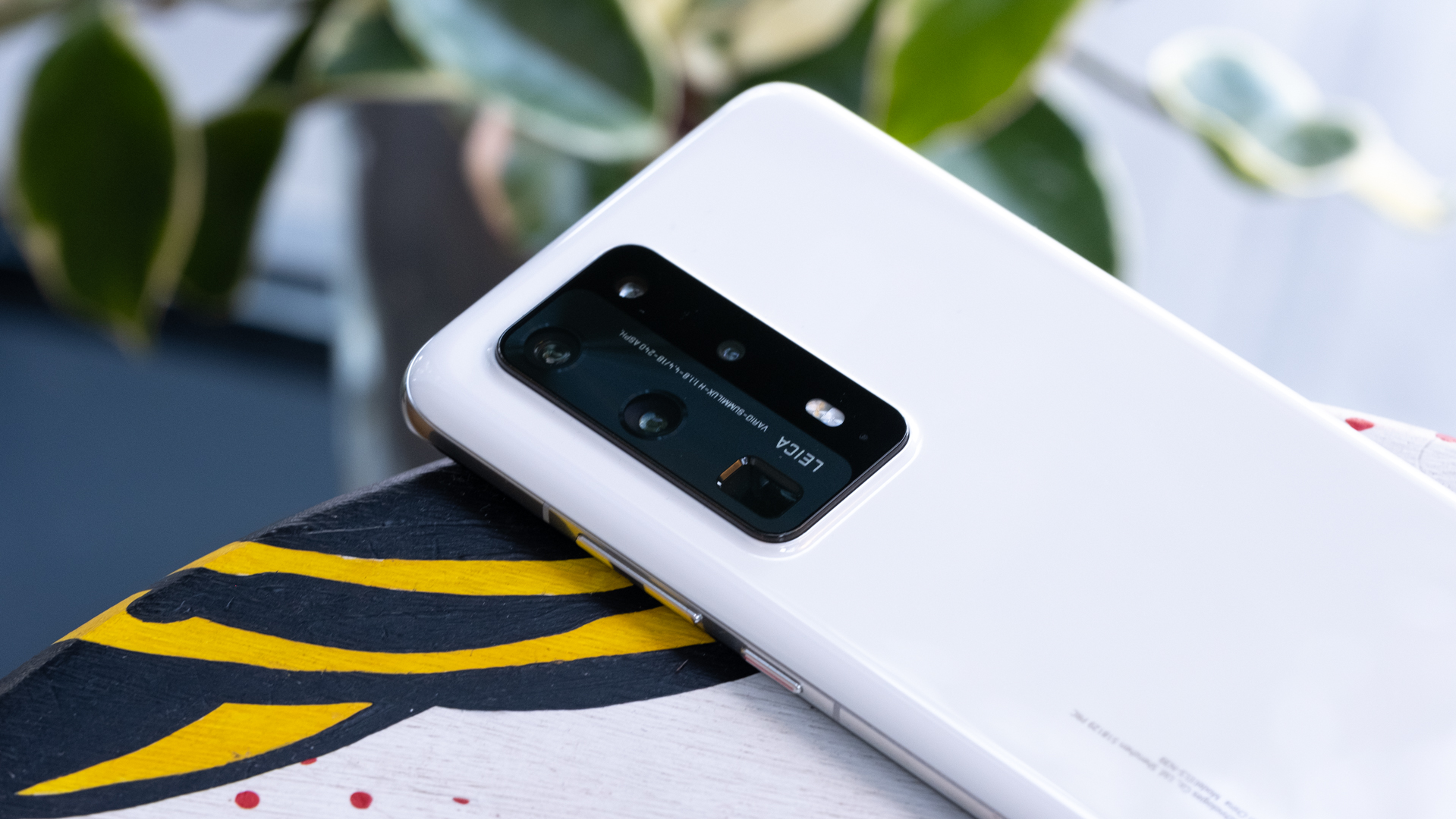
The US ban against Huawei made headlines around the world back in mid-2019. In a shocking turn of events, Huawei found itself on the US Entity List, meaning that a number of US companies and firms with US-derived technology weren’t allowed to freely do business with the Shenzhen giant. A similar set of punishing restrictions could easily impact other Android brands from China and they need to be prepared to face those same challenges, or potentially a lot worse.
US-China trade war: Bad for Huawei, a lot worse for others

One of the most pivotal companies forced to break its relationships with Huawei was Google. The subsequent loss of Google Play Services has undoubtedly been a huge blow for the Chinese brand. All of its recent phones and tablets haven’t offered pre-installed Google apps, the Play Store, or the all-important Play Services suite used by first and third-party apps alike. The company’s position in the global market has remained strong, but it’s being largely held up by homegrown sales in China where Google is a non-factor.
Read more: Huawei’s Play Store alternative has gotten better, but it’s the apps that count
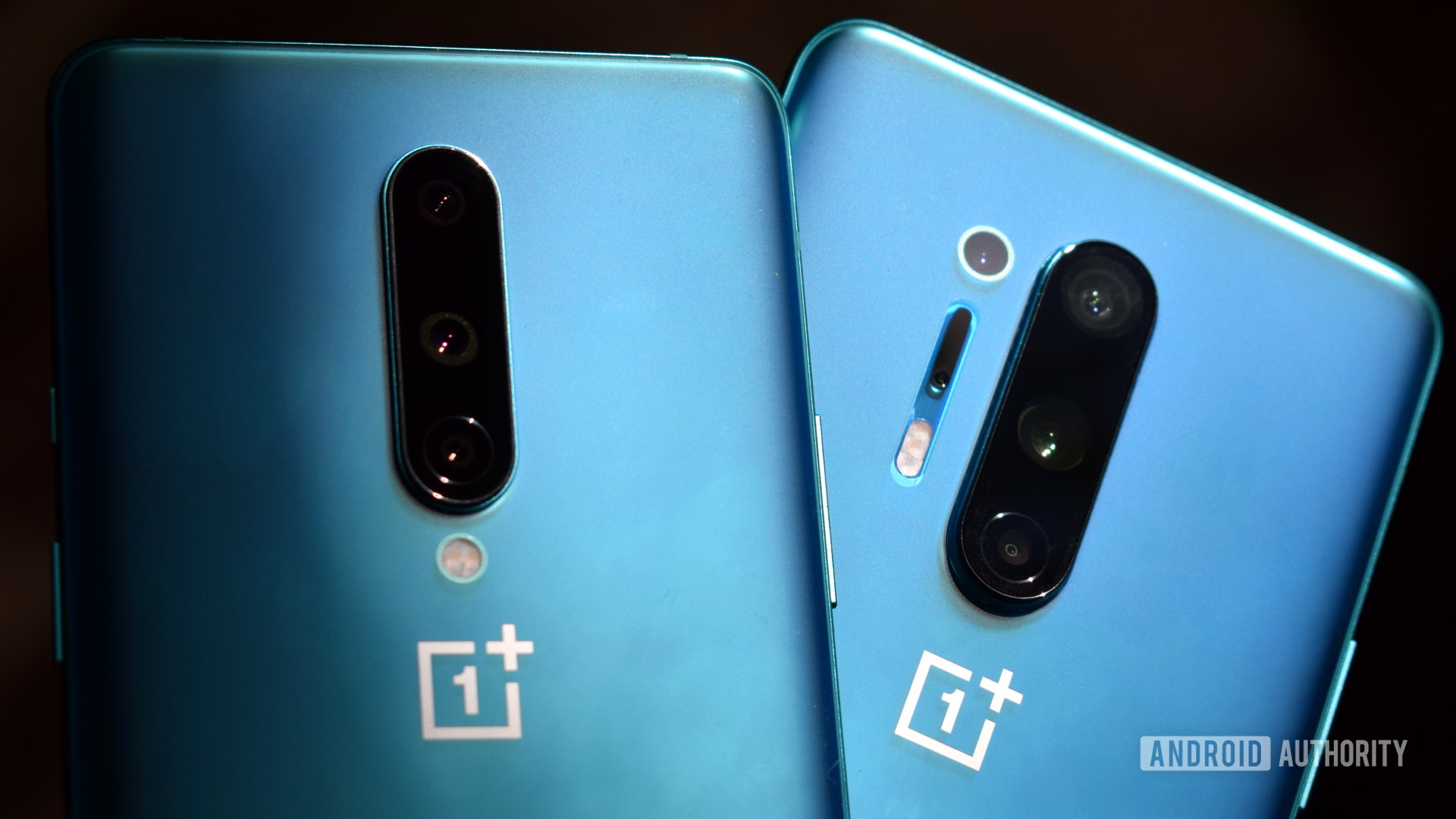
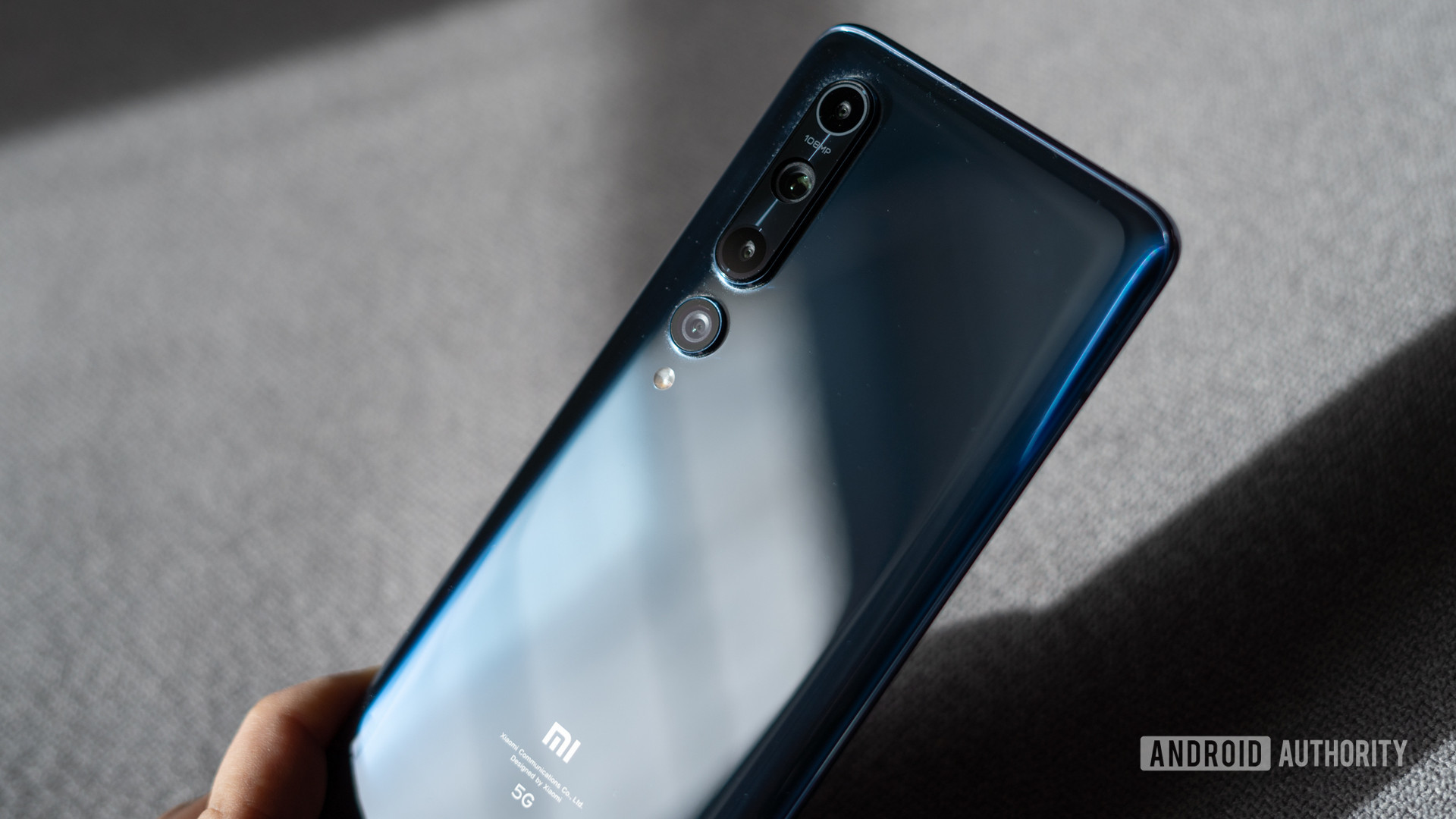
This same fate could await numerous Chinese smartphone manufacturers if the US simply decides that all Chinese brands are “untrusted.” From OnePlus and TCL to Oppo and Xiaomi, the vague language used by the Trump administration means no brand is safe.
One way to mitigate the potential impact of losing Google would be to submit devices for Google certification as far in advance as possible. This isn’t a sure-fire way to beat US sanctions and it’s essentially delaying the inevitable, but it does mean Chinese OEMs could establish a solid portfolio of new and upcoming devices with Google services in anticipation of a possible ban.
Another solution that might be less desirable is for affected manufacturers to rebrand their existing devices. We saw with the Huawei P30 Pro New Edition, for example. However, this option is more like repainting a house rather than renovating it. Sure, the new coat of paint looks great, but it’s still the same house. Consumers would grow wise eventually.
Scorched earth policies
A US trade ban against Chinese smartphone manufacturers goes beyond simply losing out on Google’s version of Android, however. Access to the kind of hardware that forms the foundation of so many Android devices would also be in jeopardy.
The fallout of the US-China trade war could restrict or cut-off the supply of all-important processors to Chinese OEMs like Oppo, OnePlus, and Xiaomi. None of these brands have any significant in-house chip design capabilities such as the HiSilicon unit responsible for Huawei’s Kirin chipsets, as they all use Qualcomm or MediaTek SoCs instead. Oppo has confirmed its advancing work in this area, but it’s surely years behind other chip designers. Even if a company like Oppo could design its own chipsets, they’d be way behind the competition on power, features, and efficiency compared to the latest and greatest silicon from Qualcomm, for example.
The impact of any US trade ban extends far beyond access to Google services.
Let’s just say by some miracle that the likes of Oppo or Xiaomi manage to design a cutting-edge, competitive chipset — they’d still need a company to actually build those chips. In fact, this is exactly the situation Huawei has now found itself in. Leading chipmaker TSMC has been barred from producing chips for HiSilicon due to the sanctions, leading Huawei to confirm that the Mate 40 series will be its last Kirin-powered flagship.
If similar measures were implemented by the US on a broader scale, many Chinese OEMs would be forced to turn to less advanced chipmakers that aren’t using US technology. Can you imagine a new OnePlus flagship without the latest flagship Snapdragon processor? It’s an increasingly feasible scenario. The best bet in the short-term may be for manufacturers to start stockpiling chipsets and other components from suppliers immediately, though even this wouldn’t guarantee survival in the longer term.
Tracking firms recently noted that at least 70% of Huawei’s shipments in Q2 2020 — the same quarter it surpassed Samsung for the top spot in global market share — were to China. Between the company’s dominance in the Chinese market, extensive resources, and its continued investment in Huawei Mobile Services as an increasingly viable GMS alternative, Huawei is in the best position to weather the storm better than any other Chinese smartphone maker.
Manufacturers like Xiaomi and Realme are heavily invested in India, while OnePlus has been one of the few Chinese exports to enjoy any traction in the US. These positions all become a lot more perilous without access to bleeding-edge processing power and Google services. You only need to look at what relative industry minnow ZTE had to go through when it was hit with severe US sanctions for just a few weeks in 2018 to see what damage could be caused to smaller firms.
A united front?

One possible solution would be for Chinese brands to form a united front against any US action. It might sound outlandish to think of rival companies working together, but we’ve already seen examples of this kind of co-operation in action.
Earlier this year, news emerged that Xiaomi, Oppo, Vivo, and Huawei had all joined forces to form the Global Developer Service Alliance. This partnership was formed with the aim to streamline the uploading of foreign content to each manufacturer’s app store in various global markets, while also making it easier for developers to promote said content.
See also: Don’t underestimate the Chinese app store alliance
This one-stop approach isn’t necessarily in the same ballpark as a pitch for a truly unified app store, but it’s certainly the same sport. There would be far more challenges in the way, such as development and legal red tape, but it’d represent the best possible solution to the lack of Google services for any companies that have ambitions outside of China.
Want more proof that China’s leading smartphone brands can play nicely together? Oppo, Vivo, and Xiaomi recently launched the Peer-to-Peer Transmission Alliance to support local file-sharing between devices, an Android feature Google had abandoned until very recently. There was also the Unified Push Alliance — a China-based alternative to Google’s push notification service — that counts Huawei, OnePlus, Oppo, Vivo, Xiaomi, Realme, and even Samsung among its members.
All of these initiatives show that Chinese manufacturers (and even South Korea’s Samsung in the latter case) can work together to solve issues where Google can’t or won’t step in. A wide-scale plan to slap Chinese OEMs with sanctions could encourage further collaboration.
Chinese brands have already shown a willingness to work together.
Could Chinese brands go one step further and unite to build an alternative to Android or even join Huawei in pushing Harmony OS? Huawei’s homegrown OS isn’t quite ready for phones yet, but you can be sure that the firm would want other brands to support the platform to give it legitimacy and broaden its reach. Furthermore, Harmony’s device-agnostic approach means that it should be able to fill the gap left behind by Android in the wearable, IoT, and TV space.
It’s anyone’s guess at this point, but there’s no sign of de-escalation in the current US-China trade war. No option should be off the table if Chinese OEMs want to weather the coming storm.
from Android Authority https://ift.tt/2Pz7XfM